
Amputation Injury Lawyer Serving Texas

Losing a limb can change your work, mobility, and independence. At Injury Attorney Near Me, PLLC, based in Houston and serving clients across Texas, we investigate who caused the injury and pursue claims that account for documented surgical care, rehabilitation, prosthetic needs, income loss, and daily limitations.

  • Motor Vehicle and
    Roadway Accidents
  • Transportation and
    Recreation Accidents
  • Premises, Property, and
    Institutional Injuries
  • Defective Products, Drugs,
    and Toxic Exposure
  • Severe Injury and
    Wrongful Death
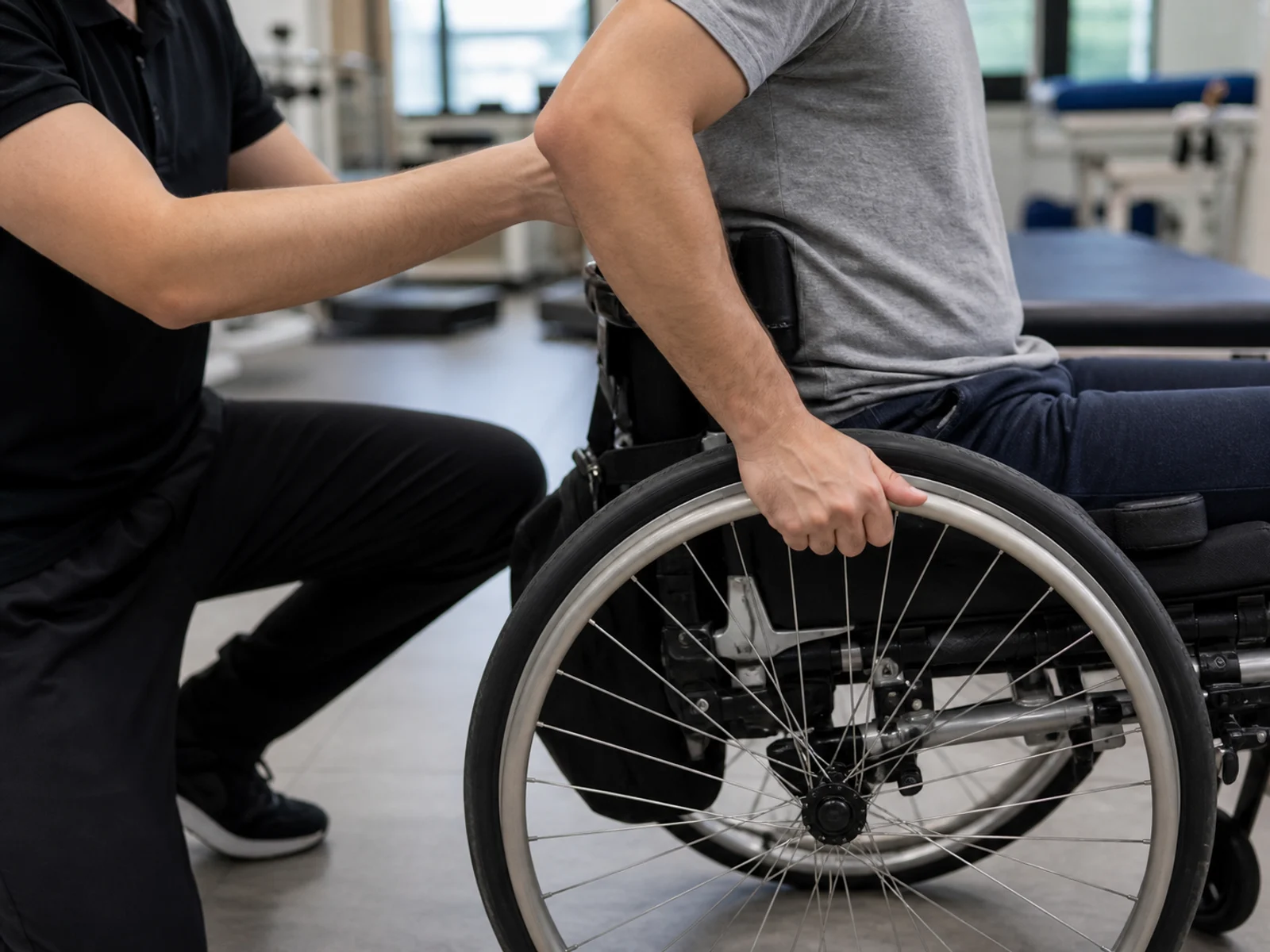
Rehabilitation room with parallel bars and a wheelchair

Severe Injury and Wrongful Death in Texas

Representation for Amputation Injuries

We pursue amputation injury claims by establishing responsibility, documenting limb-loss consequences, and evaluating whether a proposed resolution addresses the supported losses.

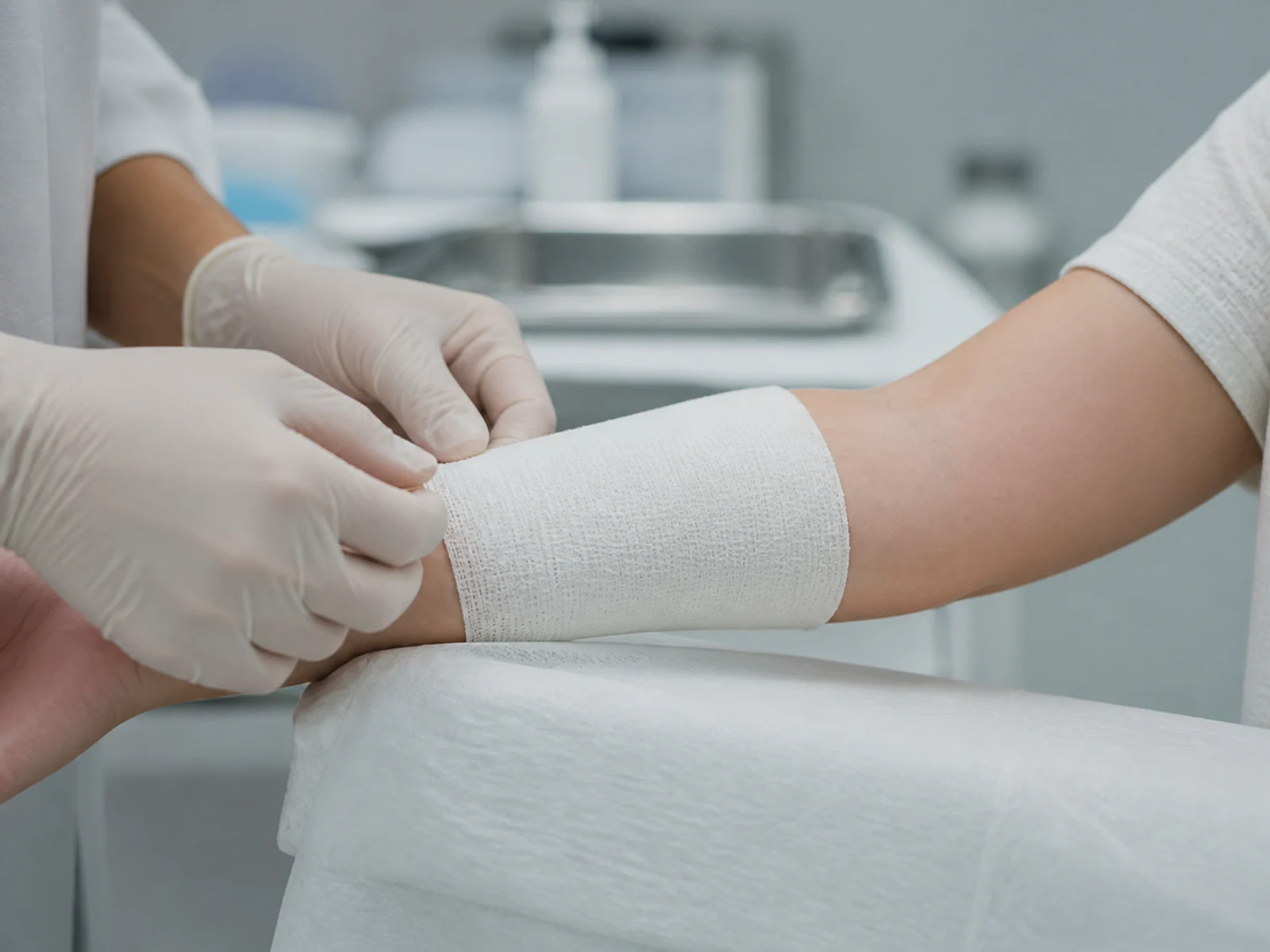
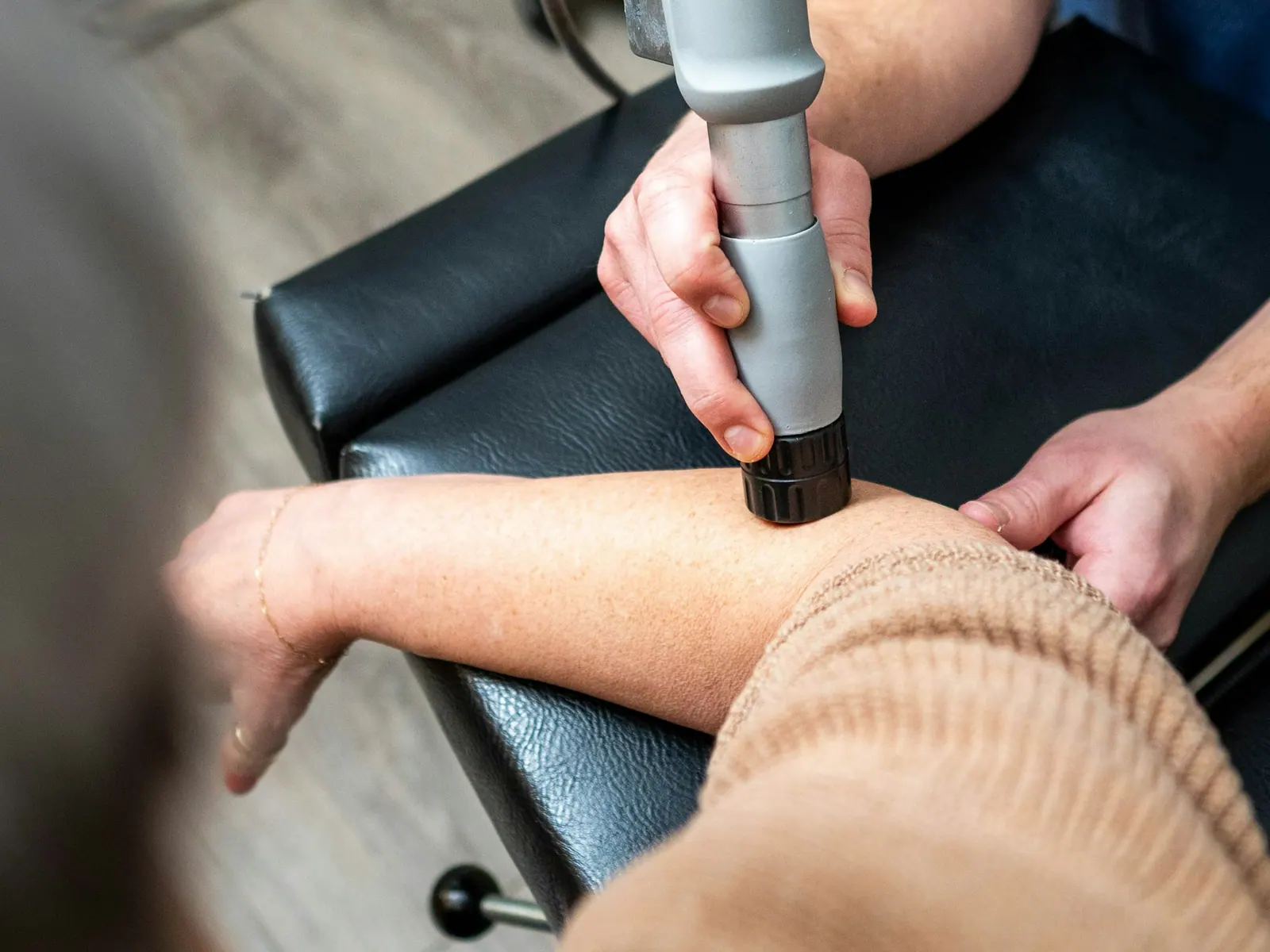
Clinical rehabilitation treatment applied to a patient’s arm

Establishing responsibility

Identify how the injury happened

An amputation claim starts with the event that caused the injury, not simply the extent of limb loss. If machinery injured a worker, for example, responsibility may depend on who controlled the equipment, maintained it, or changed its safeguards. We investigate the event and preserve relevant evidence before conditions change. That work helps determine which parties warrant further investigation and whether the available facts support a claim against them.

Case records and a pen arranged on a desk for review

Documenting lasting losses

Explain what the injury has changed

Surgical records may establish limb loss without explaining its full effect on daily life. Rehabilitation notes, prosthetic evaluations, and accessibility assessments can show limitations that affect work, transportation, or household tasks. We examine those records and seek clarification when important needs remain uncertain. Connecting documented effects to specific expenses and limitations helps us evaluate the claim beyond the immediate hospital charges, without assuming every possible future need applies to you.

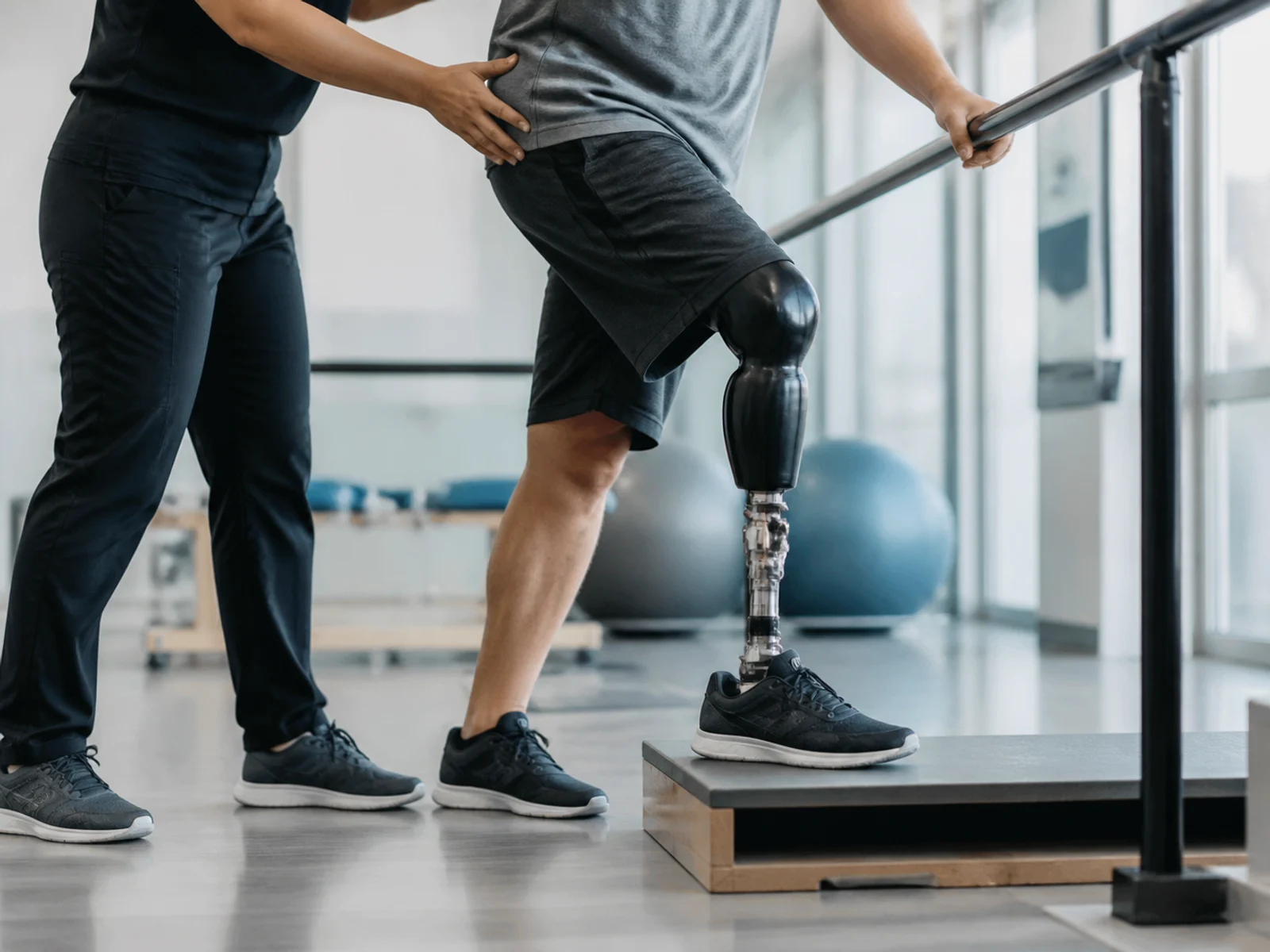
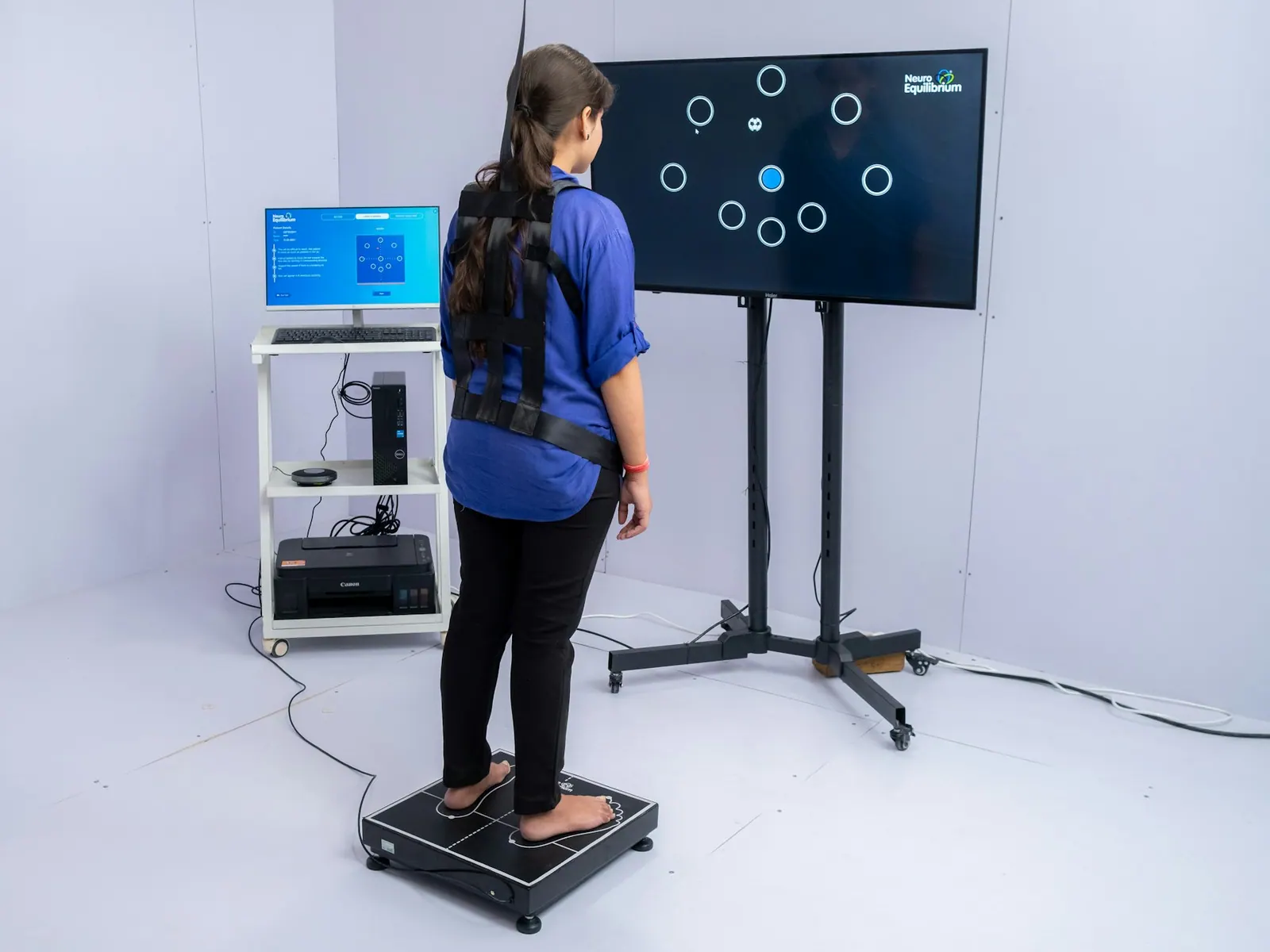
Patient completing a balance and mobility assessment

Evaluating a resolution

Assess an offer against the whole claim

A settlement offer may arrive while prosthetic needs or work capacity remain under evaluation. Accepting a resolution without understanding those uncertainties can leave significant losses unaddressed. We compare offers with the responsibility evidence, available coverage, and documented present and future needs. Where the evidence supports further pursuit, we negotiate or pursue litigation as warranted, while explaining the tradeoffs so you can make an informed decision about a proposed resolution.

InvestigatingYour Claim

These factors can change whom we pursue, what losses we present, and how we evaluate settlement options.

Clinical rehabilitation treatment applied to a patient’s arm

Evidence of the underlying hazard

When equipment is involved, repairs or disposal can erase evidence of its condition. We seek preservation of the equipment and examine relevant maintenance records, photographs, and witness accounts. If a safeguard was removed, identifying who removed it and who controlled the machine matters. Those facts can distinguish a maintenance failure from a product issue and guide which parties and technical questions require investigation.

Rehabilitation room with parallel bars and a wheelchair

Separate roles and available insurance

Ownership, supervision, and maintenance may rest with different people or businesses. We trace those roles and investigate potentially applicable insurance rather than directing every demand to the most visible participant. A contractor’s involvement, for example, may require examining both its conduct and its coverage. This analysis helps identify supported claims and address coverage disputes without confusing policy availability with proof of responsibility.

Case records and a pen arranged on a desk for review

Prosthetic and accessibility needs

An initial prosthetic evaluation may not address replacement costs, adjustments, or barriers inside the home. We compare recommendations with rehabilitation notes and accessibility assessments, seeking clarification of the needs attributed to the injury. A documented difficulty using stairs, for instance, may support evaluating a specific adaptation. That evidence helps us assess future expenses without treating every possible device or home modification as necessary.

Patient completing a balance and mobility assessment

Income loss and changed work duties

Returning to employment does not necessarily resolve the financial loss. If documented restrictions prevent prior duties or reduce available hours, we examine employment records, earnings, and the employer’s description of the job. We distinguish wages already missed from a supported reduction in future earning capacity. That distinction matters when an offer accounts for time away from work but overlooks a lasting change in earning ability.

Texas injury law is fact-specific, and a federal rule or another state's law may also apply. This page provides general information, not legal advice or a conclusion about any claim.

Terms You May Hear

Texas Amputation Injuries Terms

These terms help explain how we evaluate responsibility and the documented consequences of an amputation injury.

Clinical rehabilitation treatment applied to a patient’s arm

The connection between the underlying event and the claimed injury or expense. Operative reports and other medical evidence help us evaluate disputed explanations for the amputation and related losses.

Liability

The question of who bears legal responsibility for the event that caused limb loss. We evaluate conduct and control of the hazard rather than assuming the severity of the injury proves fault.

Damages

Losses supported by evidence, such as surgical expenses, rehabilitation costs, income loss, and effects on daily function. We assess each category separately rather than assigning a value based only on limb loss.

Future needs

Expected later expenses supported by evaluations, such as prosthetic replacement, rehabilitation, or accessibility changes. We distinguish documented recommendations from possibilities that require further assessment before inclusion in a demand.

Lost earning capacity

A reduction in the ability to earn income, which may differ from wages already missed. Employment records and documented functional restrictions help us assess whether former duties or earning opportunities have changed.

Insurance coverage

A contract that may provide payment for a covered claim. We examine which policies could apply, their limits, and any disputed provisions rather than assuming the injury guarantees coverage.

How WePursue Your Claim

Our work moves from preserving the underlying evidence to evaluating a resolution that accounts for supported losses.

Discuss Your Situation
  1. Discuss the event and immediate concerns

    We begin with how the injury occurred and what has changed since surgery. That discussion helps identify urgent preservation needs, potentially responsible parties, and issues requiring deadline review before evidence disappears or a claim opportunity is lost.

  2. Preserve relevant event evidence

    We seek evidence suited to the underlying event, such as involved equipment, scene photographs, or incident footage. Preserving its condition allows a more reliable examination of disputed responsibility than relying solely on later descriptions.

  3. Investigate parties and policies

    We examine who controlled the hazard and what each participant did. We also identify potentially applicable insurance, using those findings to decide which claims deserve pursuit and which coverage questions need further attention.

  4. Develop the loss evidence

    We review operative reports, rehabilitation notes, prosthetic evaluations, accessibility assessments, and employment records relevant to your losses. Where the evidence leaves a material gap, we seek clarification so the demand reflects supported needs rather than assumptions.

  5. Present and evaluate the claim

    We present the responsibility and loss evidence to the relevant parties or insurers. When an offer excludes a documented need or disputes fault, we assess the stated basis and determine what additional response or evidence is warranted.

  6. Pursue a supported resolution

    We explain settlement terms and unresolved disputes so you can evaluate the available choices. When further proceedings are warranted, we pursue the claim while continuing to review evidence, deadlines, and opportunities for a supported resolution.

One injury can raise more than one legal question.

An amputation may arise from a vehicle collision, unsafe property, workplace event, or defective product. We examine the underlying event to determine which related claim issues need investigation alongside limb-loss damages.

Explore Practice Areas

WhyInjury Attorney Near Me

Injury Attorney Near Me, PLLC is based in Houston and serves injured clients throughout Texas. Call (833) 700-6660 for a consultation about an amputation injury. Representation is subject to an agreement; our evaluation addresses responsibility, coverage, losses, and possible next steps.

Focused On

Amputation Injuries

Injury Attorney Near Me, PLLC is based in Houston and serves injury clients throughout Texas.

A claim grounded in daily consequences

When limb loss changes work, transportation, or household tasks, a claim needs more than a surgical bill. We connect documented limitations with employment and accessibility evidence so settlement discussions address the practical losses supported by your circumstances.

Responsibility and coverage examined together

A serious injury may involve several parties with different insurance arrangements. We investigate each party’s conduct alongside available coverage, helping determine where to pursue recovery without treating an insurer’s initial explanation as the final answer.

Amputation InjuriesQuestions

Here are answers to practical questions about pursuing an amputation injury claim.

Contact the Firm
Can I discuss a claim while prosthetic evaluations are still underway?

Yes. Early investigation can protect evidence while evaluations continue. We can distinguish expenses already documented from needs that remain uncertain and discuss how those uncertainties affect timing. A consultation does not require you to have a final prosthetic plan or a complete picture of future costs.

What if the amputation happened away from where I live?

We serve clients throughout Texas, including people injured away from home. The event’s location and the parties involved may affect where a claim can proceed. We examine those facts rather than assuming your home county determines where the matter belongs.

Does a workplace amputation always involve workers’ compensation?

No. Not every employer provides workers’ compensation, and another party may also have contributed to the event. We examine the employer’s coverage and the roles of equipment suppliers, contractors, or other involved parties before assessing potential avenues for pursuing the injury claim.

What if I already had a condition affecting the injured limb?

A prior condition can raise questions about which losses resulted from the event. We review relevant medical history alongside operative reports and later evaluations to distinguish earlier limitations from documented changes. That comparison helps address a dispute without assuming all current limitations have the same cause.

Can help provided by family members matter to the claim?

It may matter when limb loss creates documented needs for assistance with daily activities. We examine what help is needed, why it is needed, and whether supporting evaluations address it. We then assess how that evidence fits the recoverable losses in your particular claim.

What if an insurance adjuster wants a recorded statement?

Questions about the event, earlier health conditions, or work abilities can affect both responsibility and damages disputes. We can discuss the request and explain its potential significance to your claim. Contact us for a consultation before assuming the request is merely an administrative formality.