
Hotel and Resort Injuries Lawyer Near Me in Texas

Texas-focused guidance for people affected by hotel and resort injuries in Houston and communities across the state.

  • Motor Vehicle and
    Roadway Accidents
  • Transportation and
    Recreation Accidents
  • Premises, Property, and
    Institutional Injuries
  • Defective Products, Drugs,
    and Toxic Exposure
  • Severe Injury and
    Wrongful Death
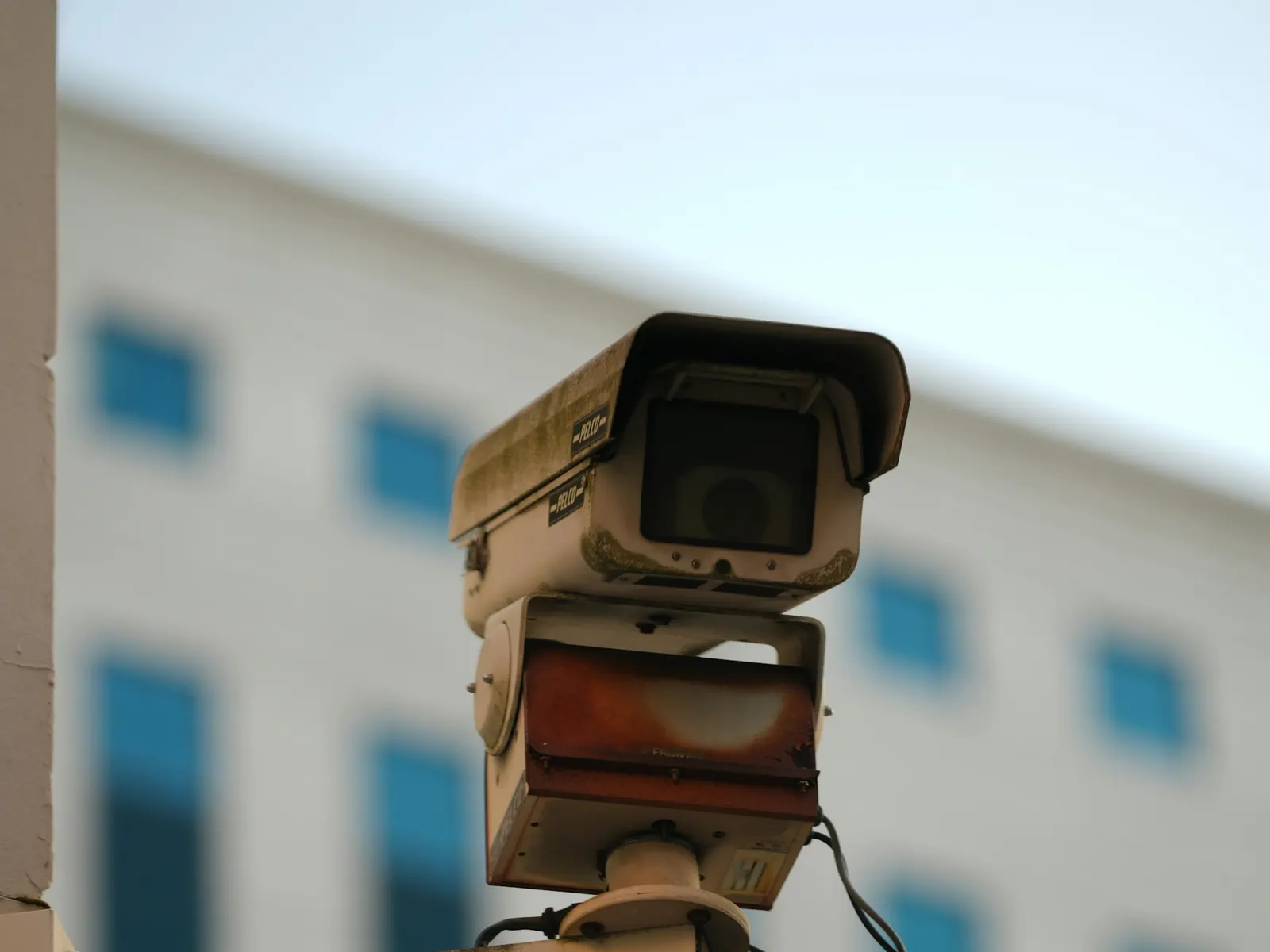
Exterior security camera monitoring a property

Premises, Property, and Institutional Injuries in Texas

Texas Hotel and Resort Injuries Claims

Hotel and Resort Injuries claims in Texas can involve guest areas, room or facility conditions, maintenance, security, staffing, and the activity involved. The legal review starts with where and how the event occurred, which Texas duties apply, who controlled the risk, and how the resulting harm can be proven.

Entrance and exterior steps of a multi-unit building

At the Texas property

The immediate account

Document the location, sequence, conditions, and immediate response tied to guest areas, room or facility conditions, maintenance, security, staffing, and the activity involved. Houston-area reports, businesses, roadways, facilities, and witnesses may hold useful evidence.

Case records and a pen arranged on a desk for review

Across control and notice records

The supporting record

Texas premises cases often focus on who controlled the property, the visitor's status, whether an unreasonably dangerous condition existed, what the responsible party knew or should have known, and whether an adequate warning or correction was provided.

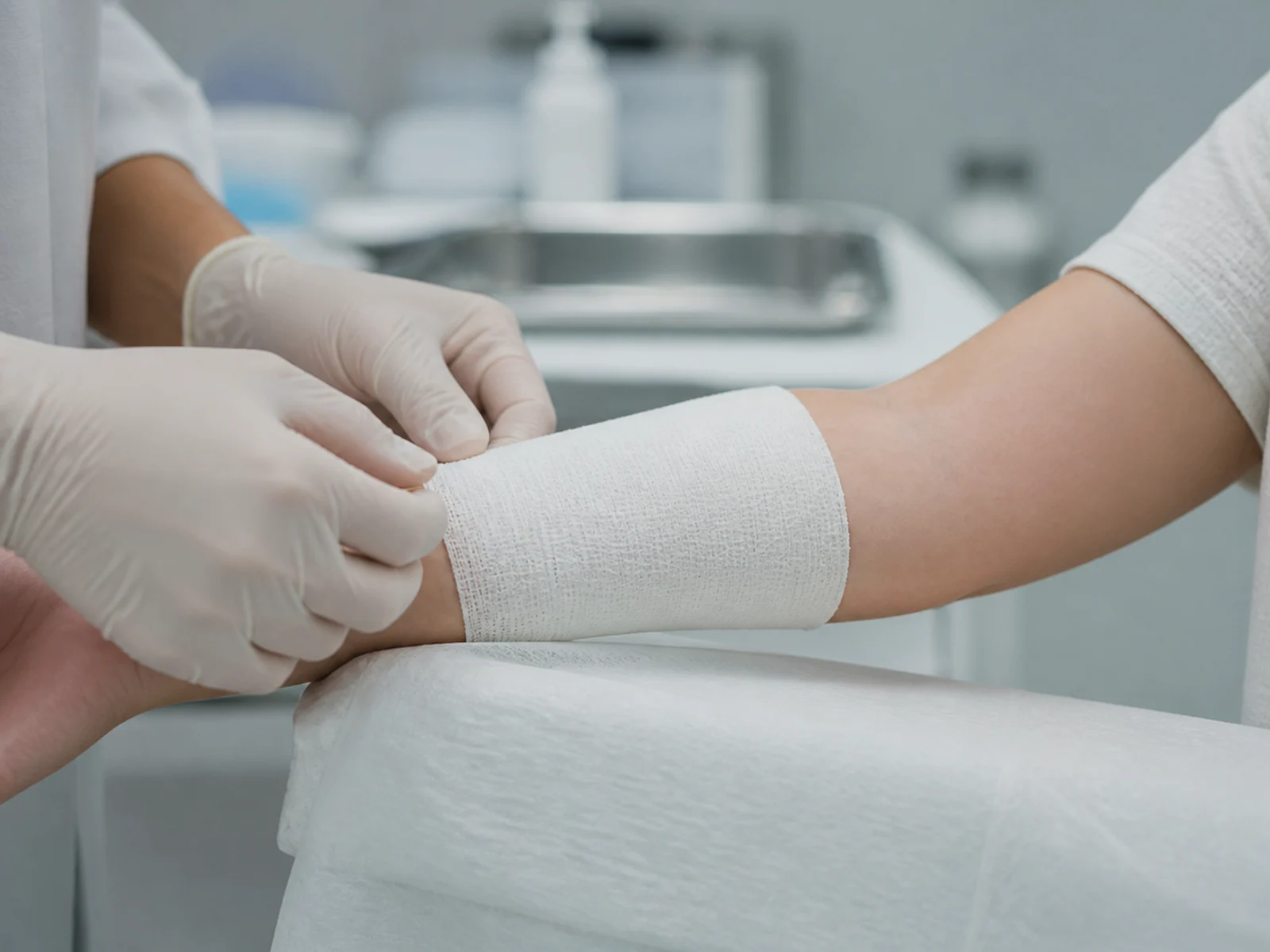
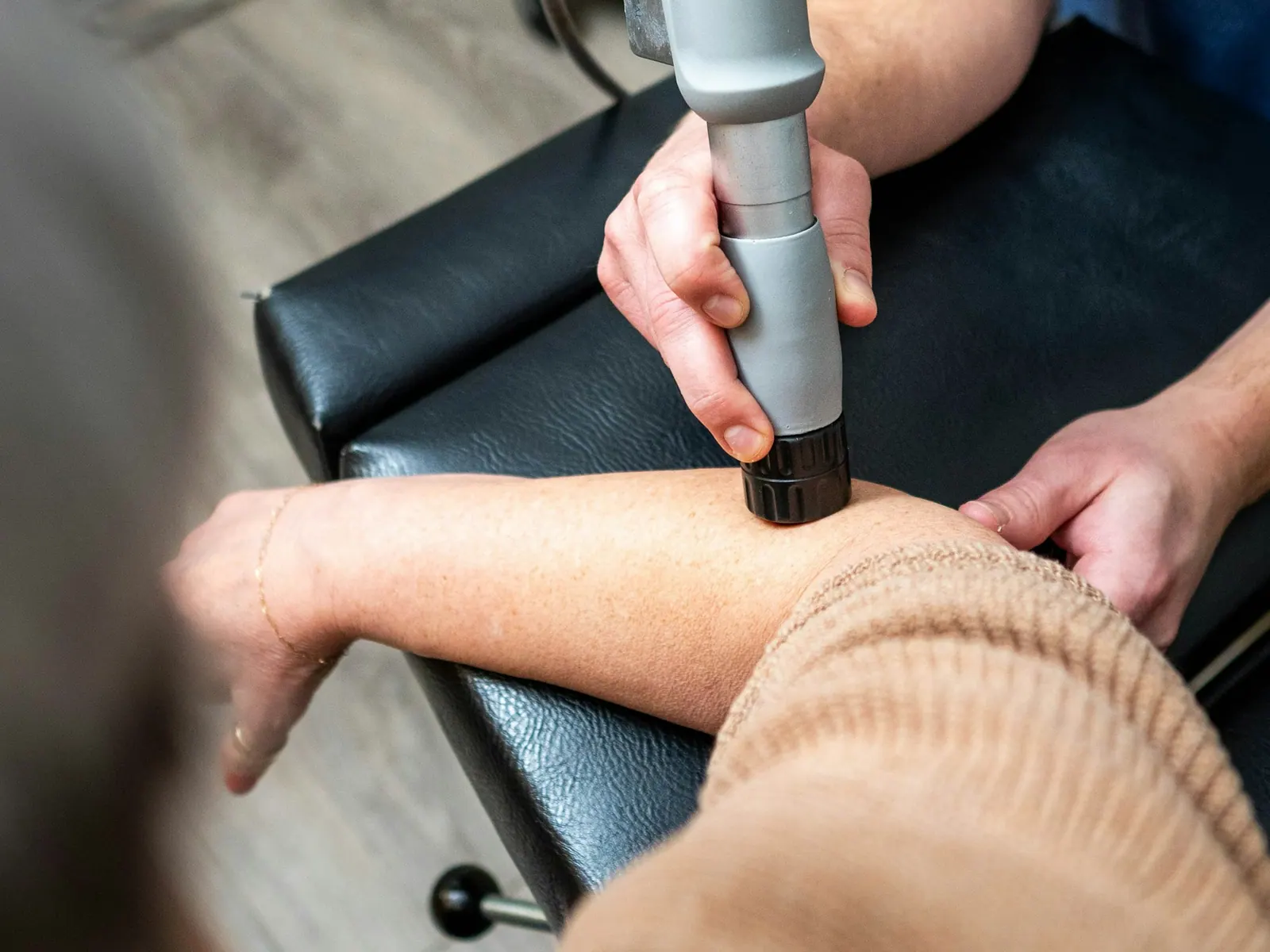
Clinical rehabilitation treatment applied to a patient’s arm

Before conditions change

The documented impact

Preserve incident reports, reservation and access records, maintenance files, photographs, video, communications, and medical records. Also maintain a careful record of treatment, expenses, work effects, household limitations, and other consequences as they develop.

How Texas LawFrames the Claim

A Texas claim involving hotel and resort injuries requires more than proof that an injury occurred. The evidence must connect a recognized duty or legal theory to responsibility, causation, and compensable harm.

Entrance and exterior steps of a multi-unit building

The condition or activity involved

Reconstruct the conditions, sequence, and conduct connected to guest areas, room or facility conditions, maintenance, security, staffing, and the activity involved, using evidence created as close to the event as possible.

Exterior security camera monitoring a property

Property control and responsibility

Apply the Texas duties and any federal or specialized rules to the actual roles, authority, knowledge, and decisions of owners, operators, managers, contractors, security providers, vendors, and insurers.

Case records and a pen arranged on a desk for review

Notice, inspection, and response records

Compare contemporaneous accounts with incident reports, reservation and access records, maintenance files, photographs, video, communications, and medical records, identify missing evidence, and address contradictions instead of relying on one report or assumption.

Clinical rehabilitation treatment applied to a patient’s arm

Injuries, losses, and other contributing facts

Measure medical needs and other losses, then account for Texas proportionate responsibility, available coverage, statutory limits, liens, and any rule specific to the parties involved.

Texas injury law is fact-specific, and a federal rule or another state's law may also apply. This page provides general information, not legal advice or a conclusion about any claim.

Terms You May Hear

Texas Hotel and Resort Injuries Terms

Plain-language explanations of concepts that often shape Texas claims involving hotel and resort injuries. The controlling statute, policy, contract, and facts still determine the result.

Entrance and exterior steps of a multi-unit building

Evidence may address whether a responsible party actually knew, or reasonably should have known, about the condition or risk.

Premises Control

Texas premises claims begin by identifying who owned, occupied, managed, maintained, or otherwise controlled the area where the injury occurred.

Actual or Constructive Knowledge

Evidence may address whether a responsible party actually knew, or reasonably should have known, about the condition or risk.

Inspection Record

Documentation of inspections, maintenance, cleaning, security, repairs, or prior reports.

Causation

The claimant must connect the condition, activity, or security failure to the injury and the losses being claimed.

Proportionate Responsibility

Texas may assign percentages of responsibility among the claimant and other people or entities whose conduct contributed to the injury.

Texas Filing Deadline

Many Texas premises-injury suits have a two-year limitations period, but notice to a governmental unit or another exception may require earlier action.

A Texas Claim,Step by Step

A Texas claim involving hotel and resort injuries should be organized around deadlines, preservation, medical proof, responsible parties, insurance or benefit issues, and the correct forum.

Discuss Your Situation
  1. Check Texas deadlines first

    Many Texas injury suits have a two-year limitations period, but governmental notice, health care, product-repose, minority, and other rules can change the analysis or require action much sooner.

  2. Preserve time-sensitive evidence

    Send appropriate preservation requests and secure available materials such as incident reports, reservation and access records, maintenance files, photographs, video, communications, and medical records. Video, electronic data, physical conditions, and business records can disappear quickly.

  3. Build the medical and loss record

    Document symptoms, treatment, functional changes, expenses, income effects, household limitations, and anticipated future needs with accurate records rather than estimates alone.

  4. Identify every responsible party

    Evaluate the actual roles of owners, operators, managers, contractors, security providers, vendors, and insurers. Texas Chapter 33 may allocate responsibility among defendants, settling persons, responsible third parties, and the claimant.

  5. Review coverage, liens, and resolution

    Analyze the policies and benefit programs that may apply, track reimbursement or lien issues, and present a supported demand without signing a release before its effect is understood.

  6. File or resolve in the proper forum

    If the evidence and law support the claim, evaluate settlement or file in the appropriate Texas court before every controlling deadline, while accounting for any federal or specialized procedure.

One injury can raise more than one legal question.

Explore related Texas practice areas that may overlap with the vehicles, properties, products, employers, injuries, and losses involved in claims concerning hotel and resort injuries.

Explore Practice Areas

WhyInjury Attorney Near Me

General information can help organize the first questions in a hotel and resort injuries matter. A direct review can address the specific facts, records, and people involved.

Focused On

Hotel and Resort Injuries

Injury Attorney Near Me, PLLC serves personal injury clients in Houston, Texas.

Review What Matters

The firm can review the available facts, records, responsibility questions, and possible next steps for a hotel and resort injuries matter.

Clarity Before Next Steps

A direct review can identify the participants, documents, open questions, and decisions that deserve attention.

Hotel and ResortInjuriesQuestions

Answers to common questions about Texas claims involving hotel and resort injuries. Specific rights, deadlines, coverage, and remedies depend on the facts and current law.

Free Case Consultation
How long do I have to file a Texas lawsuit involving hotel and resort injuries?

Texas generally uses a two-year limitations period for personal-injury suits, and for injury resulting in death the claim generally accrues on the date of death. The correct deadline can be earlier or different because of governmental notice, medical-liability rules, statutes of repose, a claimant's age or legal disability, the accrual date, or another exception. Do not calculate the deadline from this general rule alone.

What if I may share some responsibility?

Under Texas Chapter 33, a claimant generally cannot recover if the claimant's percentage of responsibility is greater than 50 percent. If the percentage is 50 percent or less, recoverable damages are generally reduced by that percentage. The allocation depends on admissible evidence and the parties or responsible third parties submitted for consideration.

Which Texas rules may be especially important for hotel and resort injuries?

Texas premises cases often focus on who controlled the property, the visitor's status, whether an unreasonably dangerous condition existed, what the responsible party knew or should have known, and whether an adequate warning or correction was provided.

What compensation may be available under Texas law?

Depending on the claim and proof, recoverable losses may include reasonable medical expenses, lost income or earning capacity, physical impairment, disfigurement, pain and mental anguish, property damage, and qualifying future losses. Wrongful-death, survival, health care, governmental, and exemplary-damages claims have additional rules and possible limits.

What if a city, county, school, transit authority, or other public entity is involved?

Governmental immunity may limit the claim. The Texas Tort Claims Act generally calls for written notice within six months, and a city charter or ordinance may require earlier notice. Actual-notice and other issues are technical, so a possible public-entity claim should be reviewed immediately.

What evidence should be preserved now?

Preserve a timeline, photographs, video, witness information, reports, messages, insurance documents, medical and expense records, and incident reports, reservation and access records, maintenance files, photographs, video, communications, and medical records. Keep physical items unchanged when possible, avoid public posts about the incident, and seek help quickly when a business or agency may control time-sensitive video or electronic data.