Catastrophic Injury Lawyer Serving Texas

A catastrophic injury can disrupt work, independence and the support your household needs. At Injury Attorney Near Me, PLLC, based in Houston and serving Texas, we investigate how the injury happened, identify responsible parties and insurance, and pursue a claim that accounts for documented losses and long-term needs.

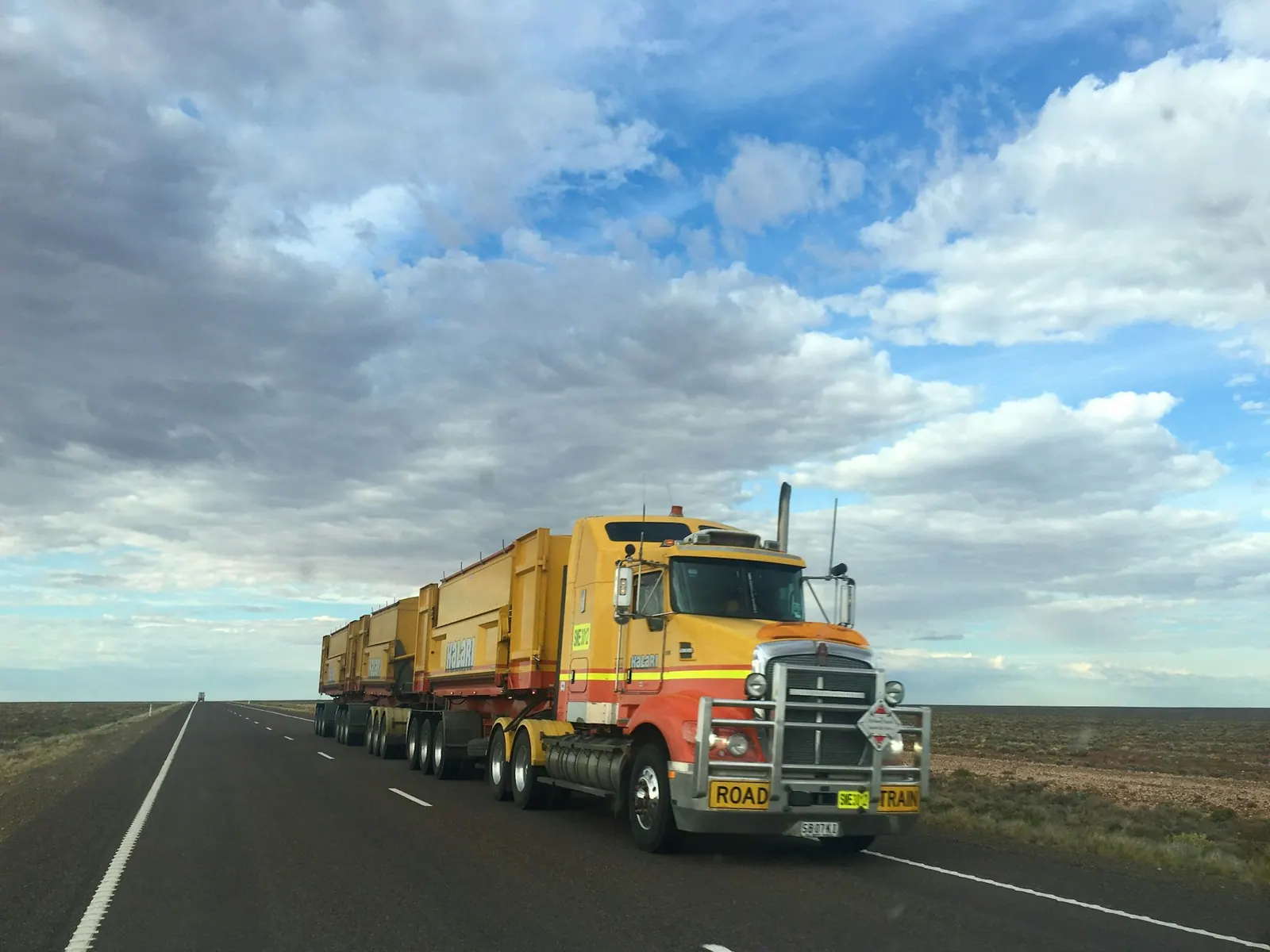
  • Motor Vehicle and
    Roadway Accidents
  • Transportation and
    Recreation Accidents
  • Premises, Property, and
    Institutional Injuries
  • Defective Products, Drugs,
    and Toxic Exposure
  • Severe Injury and
    Wrongful Death
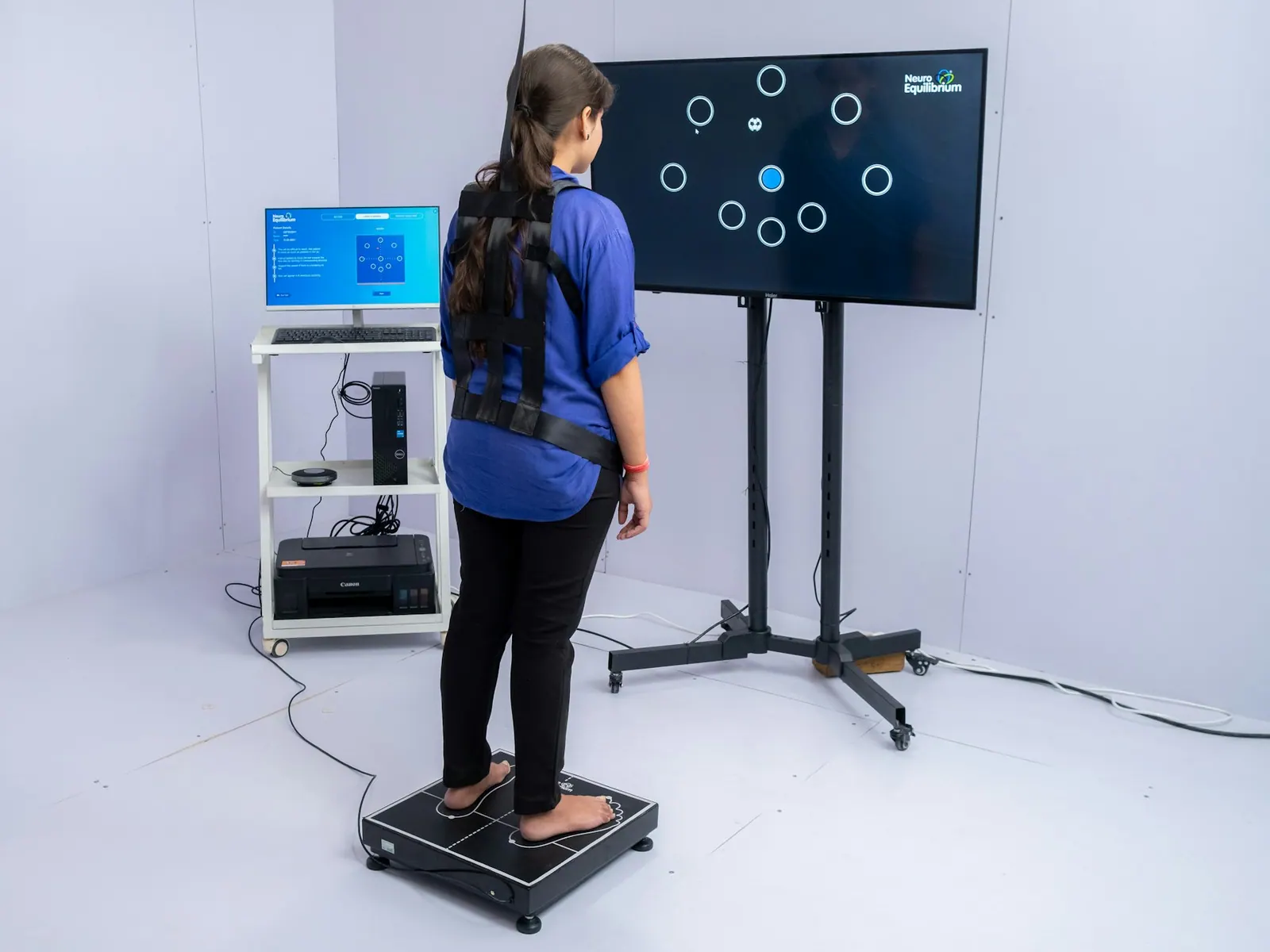
Patient completing a balance and mobility assessment

Severe Injury and Wrongful Death in Texas

Representation for Catastrophic Injury

We pursue catastrophic injury claims by investigating responsibility and showing how medically documented limitations affect work, independence and ongoing support.

Rehabilitation room with parallel bars and a wheelchair

The underlying event

Establish how the injury happened

A serious injury may leave someone unable to explain what happened while important evidence disappears. We investigate the underlying event using relevant photographs, witness accounts, incident records and other available proof. If a fall involved a broken handrail, for example, we examine who controlled the property and what they knew about its condition. Establishing that connection helps us decide whom to pursue rather than treating the severity of the injury as proof of responsibility.

Case records and a pen arranged on a desk for review

Life after injury

Identify the full documented impact

Hospital expenses may show only part of a catastrophic injury’s cost. When records describe lasting limits on mobility, communication or independent activity, we examine specialist assessments, rehabilitation plans and documented assistance needs. We also investigate interruptions to employment and household responsibilities. This work helps distinguish losses already incurred from future needs supported by evidence, so a claim is not evaluated solely against the first round of bills or an early insurance offer.

Clinical setting prepared for neurological evaluation and rehabilitation

Claim decisions

Build a position for negotiation or litigation

An insurer may acknowledge an incident but dispute its connection to particular limitations, future expenses or lost earnings. We address those disputes by connecting the event evidence with medical findings, work history and documented changes in daily life. Where qualified professional input is needed, we assess what questions require evaluation. That analysis guides negotiations and the decision whether a lawsuit is warranted, while keeping the claim grounded in supportable losses rather than assumptions about recovery.

InvestigatingYour Claim

These factors shape whom we pursue, what losses we seek and how we respond to disputed responsibility or coverage.

Rehabilitation room with parallel bars and a wheelchair

Control of the condition or activity

Several people or businesses may be connected to an event without sharing the same responsibility. If unsafe equipment caused a serious injury, we examine who owned it, maintained it, operated it or supplied it. Contracts, maintenance evidence and witness accounts may reveal different roles. Separating those roles helps us identify supported claims and avoid overlooking a party whose actions contributed to the injury.
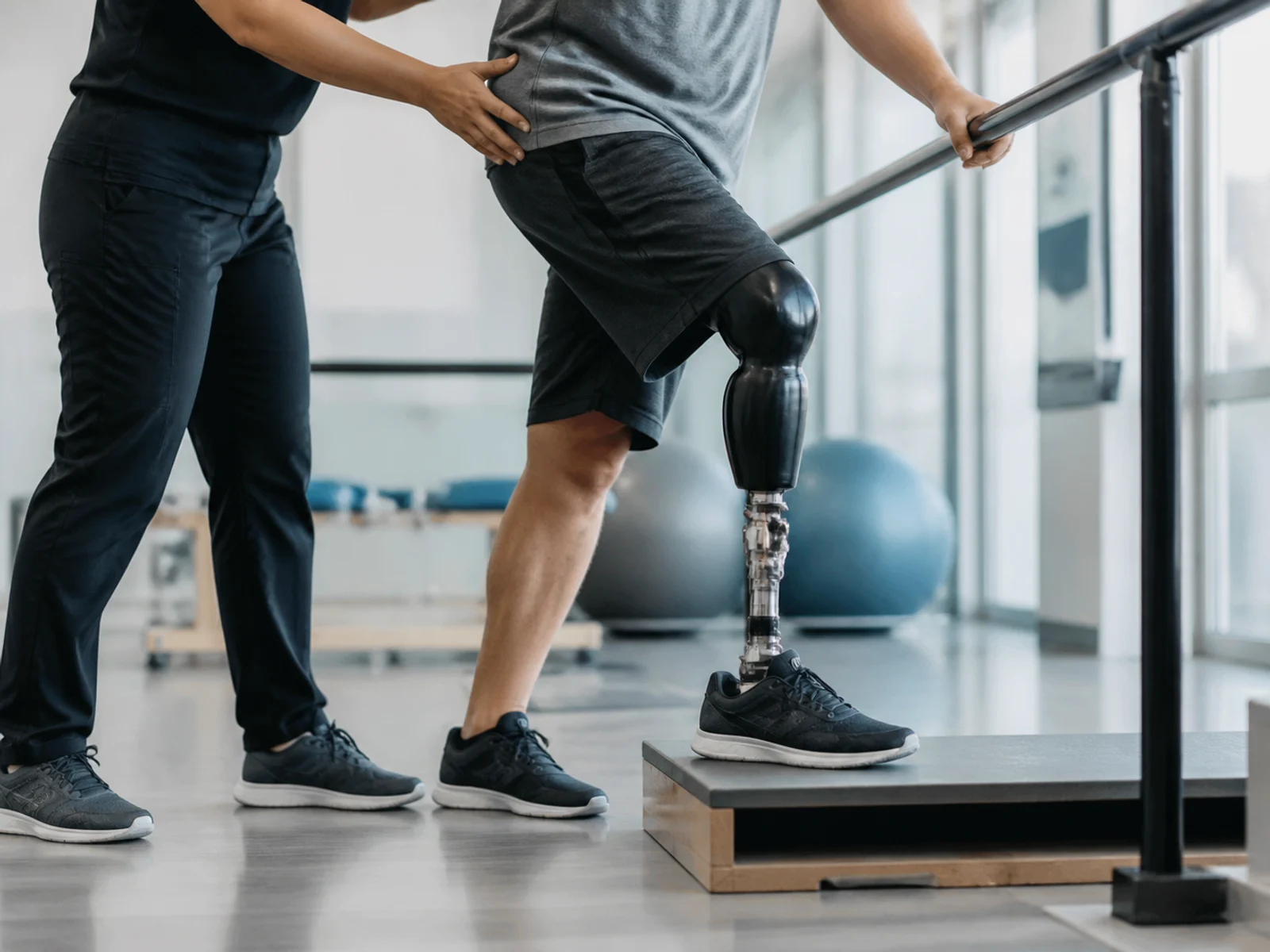
Patient completing a balance and mobility assessment

Medical support for lasting limitations

An insurer may question whether proposed assistance or rehabilitation relates to the event. We review hospital, specialist and rehabilitation records for the documented basis of those needs and identify gaps requiring clarification. Where future costs depend on professional assessment, we evaluate appropriate expert involvement. The resulting evidence helps determine which expenses can be presented now and which require further support before a settlement decision.

Case records and a pen arranged on a desk for review

Employment and household consequences

A person may return to work yet lose hours, duties or advancement opportunities because of documented restrictions. We compare employment history, job requirements and post-injury earnings rather than treating a return to work as the end of the income claim. Household-impact evidence can also show assistance previously unnecessary. These distinctions help us assess losses that medical invoices alone would leave out.

Clinical setting prepared for neurological evaluation and rehabilitation

Insurance and disputed responsibility

Severe losses may exceed an identified policy, or an insurer may dispute whether its policy applies. We investigate coverage connected to the responsible parties and assess allegations that someone else contributed to the event. Policy information and responsibility evidence guide which parties and insurers receive demands. They also help us explain the difference between the losses supported by evidence and the resources potentially available to resolve them.

Texas injury law is fact-specific, and a federal rule or another state's law may also apply. This page provides general information, not legal advice or a conclusion about any claim.

Terms You May Hear

Texas Catastrophic Injury Terms

These terms help explain how we assess responsibility and lasting losses in a catastrophic injury claim.

Rehabilitation room with parallel bars and a wheelchair

The connection between another party’s conduct and the injury being claimed. We investigate both the event and medical evidence because responsibility for an incident and responsibility for particular losses may be disputed separately.

Catastrophic injury

A claim involving severe, potentially lasting injury effects and substantial support needs. We assess the documented impact and the underlying event; the label alone does not determine responsibility, available coverage or claim value.

Life-care plan

An assessment of anticipated care, equipment and assistance needs supported by qualified professional input. We examine its assumptions and cost basis to determine how it may support a demand for future expenses.

Loss of earning capacity

The effect of documented limitations on a person’s ability to earn income. We consider prior work, job demands and supported future restrictions rather than assuming that missed wages capture the entire employment loss.

Support needs

Help with activities that an injured person previously performed independently. We examine the tasks, time and reasons for assistance to assess whether household or personal support losses can be substantiated in the claim.

Available coverage

The insurance terms and available limits that may apply to a responsible party. We investigate relevant policies and coverage disputes because a well-supported loss assessment must also account for potential sources of payment.

How WePursue Your Claim

Our work follows the evidence, from preserving proof of the event to deciding how to pursue a supported claim.

Discuss Your Situation
  1. Review the event and urgent issues

    We discuss what happened, the documented injuries and any insurer contact. We review timing and potential deadlines, then identify evidence at risk of loss so the investigation can begin with the issues most likely to affect the claim.

  2. Preserve relevant evidence

    Depending on the event, we seek relevant recordings, scene photographs, equipment information or incident records. If a condition has since changed, earlier evidence may be crucial to testing competing explanations and establishing what existed when the injury occurred.

  3. Investigate parties and coverage

    We examine who controlled the activity or condition and identify potentially applicable insurance. When ownership and operational responsibility differ, we investigate both roles before deciding which parties should be included in a demand or lawsuit.

  4. Develop the loss assessment

    We connect medical and rehabilitation findings with employment losses and assistance needs. Where projected expenses require professional support, we assess that need before relying on an estimate, giving negotiations a stronger factual basis.

  5. Present and evaluate the claim

    We present supported responsibility and loss evidence to the relevant insurers or parties. When an offer excludes future assistance or discounts income loss, we examine the stated reasons and explain what further evidence or negotiation may address the disagreement.

  6. Choose the next course

    We discuss settlement options and whether litigation is warranted based on the evidence, disputed issues and available coverage. If the case proceeds, we continue developing proof and reviewing offers rather than treating the initial demand as a fixed assessment.

One injury can raise more than one legal question.

A catastrophic injury claim may also involve roadway, premises, workplace or defective-product issues. We examine the underlying event to determine which related claim category and responsible parties require attention.

Explore Practice Areas

WhyInjury Attorney Near Me

Injury Attorney Near Me, PLLC is based in Houston and serves injured clients across Texas. We investigate responsibility, document serious losses and pursue claims through negotiation or litigation when warranted. Call (833) 700-6660 for a consultation; representation requires an agreement.

Focused On

Catastrophic Injury

Injury Attorney Near Me, PLLC is based in Houston and serves injury clients throughout Texas.

Connect responsibility with lasting losses

We investigate the event and the injury’s documented consequences together. If an insurer accepts some initial expenses but disputes ongoing assistance, we use medical and household evidence to evaluate whether its offer addresses the losses the claim can support.

Evaluate offers against support needs

A settlement proposal may arrive before future needs are clear. We compare the offer with available specialist opinions, rehabilitation records, income evidence and coverage information, then explain the unresolved issues that matter to deciding whether to negotiate further or pursue litigation.

Catastrophic InjuryQuestions

These answers address practical concerns about pursuing a catastrophic injury claim.

Contact the Firm
Can you review a claim while I am still receiving care?

Yes. Ongoing care does not prevent us from reviewing how the injury happened or preserving evidence. We can assess which losses are established and which remain uncertain, then account for those uncertainties when considering demands or offers. We do not direct your medical care.

What if I cannot remember the event?

A missing recollection does not end the investigation. We look for independent evidence, such as witnesses, photographs, incident reports or relevant recordings. We also examine conflicting accounts so the claim does not depend on asking you to reconstruct details you cannot reliably recall.

Does health insurance paying my bills eliminate a claim?

Payment of medical bills does not by itself resolve responsibility for the injury or other documented losses. We review billing and benefit information, including any asserted repayment interests, because those issues may affect settlement evaluation and the amount ultimately available to address your losses.

What if I had a disability before the incident?

We distinguish your prior condition from documented changes following the event. Earlier medical and functional records may help establish that comparison. If an insurer attributes every limitation to your prior disability, we examine whether the evidence supports a separate or worsened loss connected to the incident.

Can a family member contact you for someone who cannot communicate?

Yes. A family member may contact us to discuss the circumstances and the injured person’s communication limits. We review who has authority to make representation decisions and what additional arrangements may be needed before proceeding; a family relationship alone does not resolve every authorization issue.

Can you help if I live outside Houston?

We are Houston-based and serve clients throughout Texas. Your residence may differ from the location of the injury or the responsible parties. We examine those connections when assessing the claim and potential filing location, rather than assuming that your home county controls the case.