
Construction Site Injury Lawyer Serving Texas

A construction-site injury can leave you unable to work while several companies dispute responsibility. Injury Attorney Near Me, PLLC, based in Houston and serving clients across Texas, investigates site conditions, contractor roles, equipment, and coverage to pursue supported claims for medical expenses, lost income, and other documented losses.

  • Motor Vehicle and
    Roadway Accidents
  • Transportation and
    Recreation Accidents
  • Premises, Property, and
    Institutional Injuries
  • Defective Products, Drugs,
    and Toxic Exposure
  • Severe Injury and
    Wrongful Death
Entrance and exterior steps of a multi-unit building

Premises, Property, and Institutional Injuries in Texas

Representation for Construction Site Injuries

We investigate construction-site injuries by connecting the event, the participants’ responsibilities, and the losses the evidence supports.

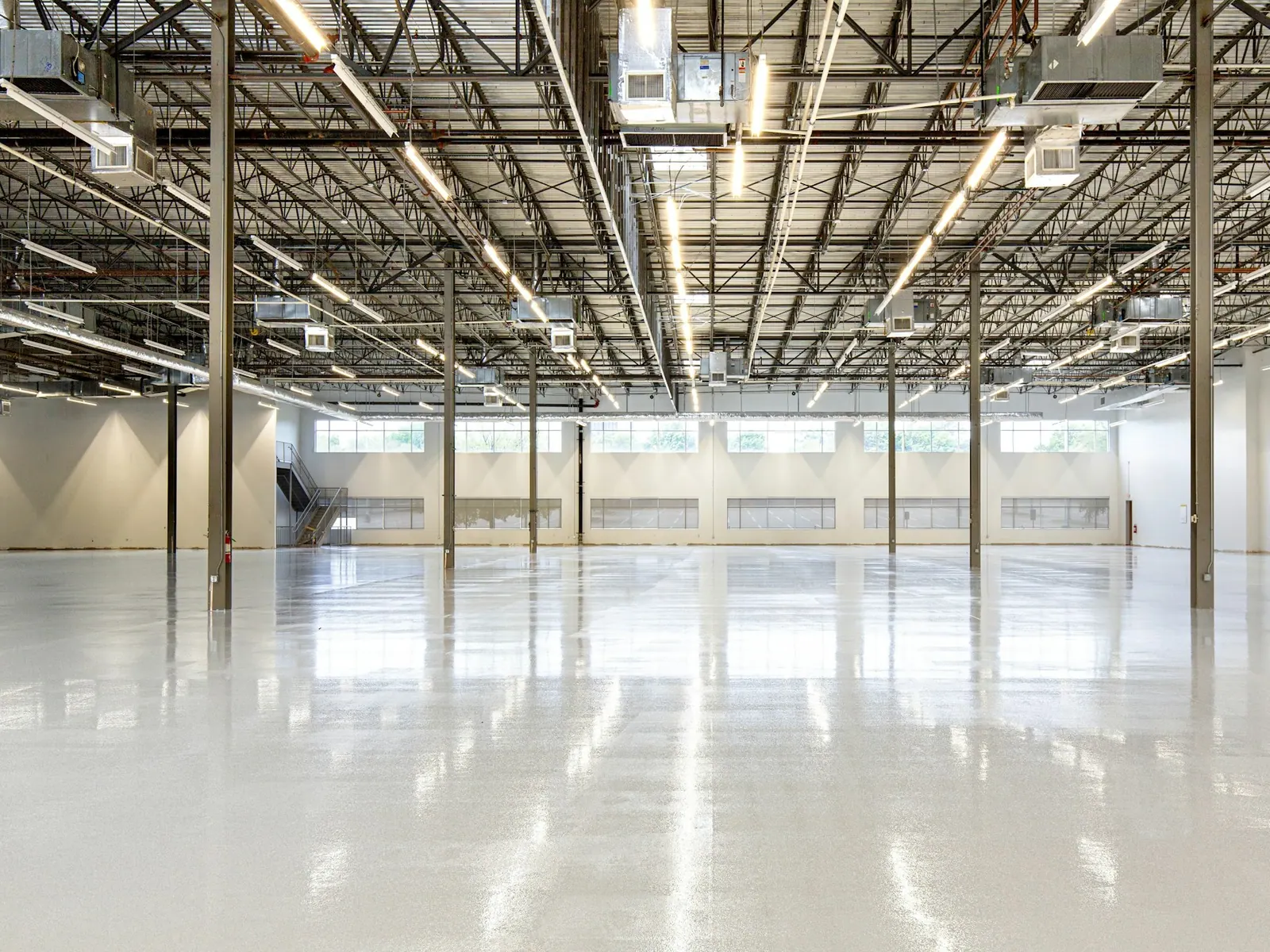
Warehouse interior with open floor and overhead equipment

Understand the event

Identify what caused the injury

A construction injury may begin with an unstable platform, falling material, moving equipment, or crews working in the same space. We examine the activity underway and the condition that caused harm, rather than treating the entire project as one responsible entity. Site photographs, incident reports, and witness accounts help us determine whether the claim concerns unsafe premises, another contractor’s actions, equipment, or several contributing causes. That distinction shapes whom we investigate and what evidence needs immediate protection.

Case records and a pen arranged on a desk for review

Separate the roles

Determine which participants may be responsible

The company paying your wages may not be the company responsible for the danger. If one subcontractor removed a guardrail and another directed workers into that area, we examine their separate roles, project agreements, and actual control over the work. We also investigate the employer’s coverage arrangements without assuming workers’ compensation applies. These facts help us assess whether an employer-related claim, a claim against another participant, or more than one path warrants further action.

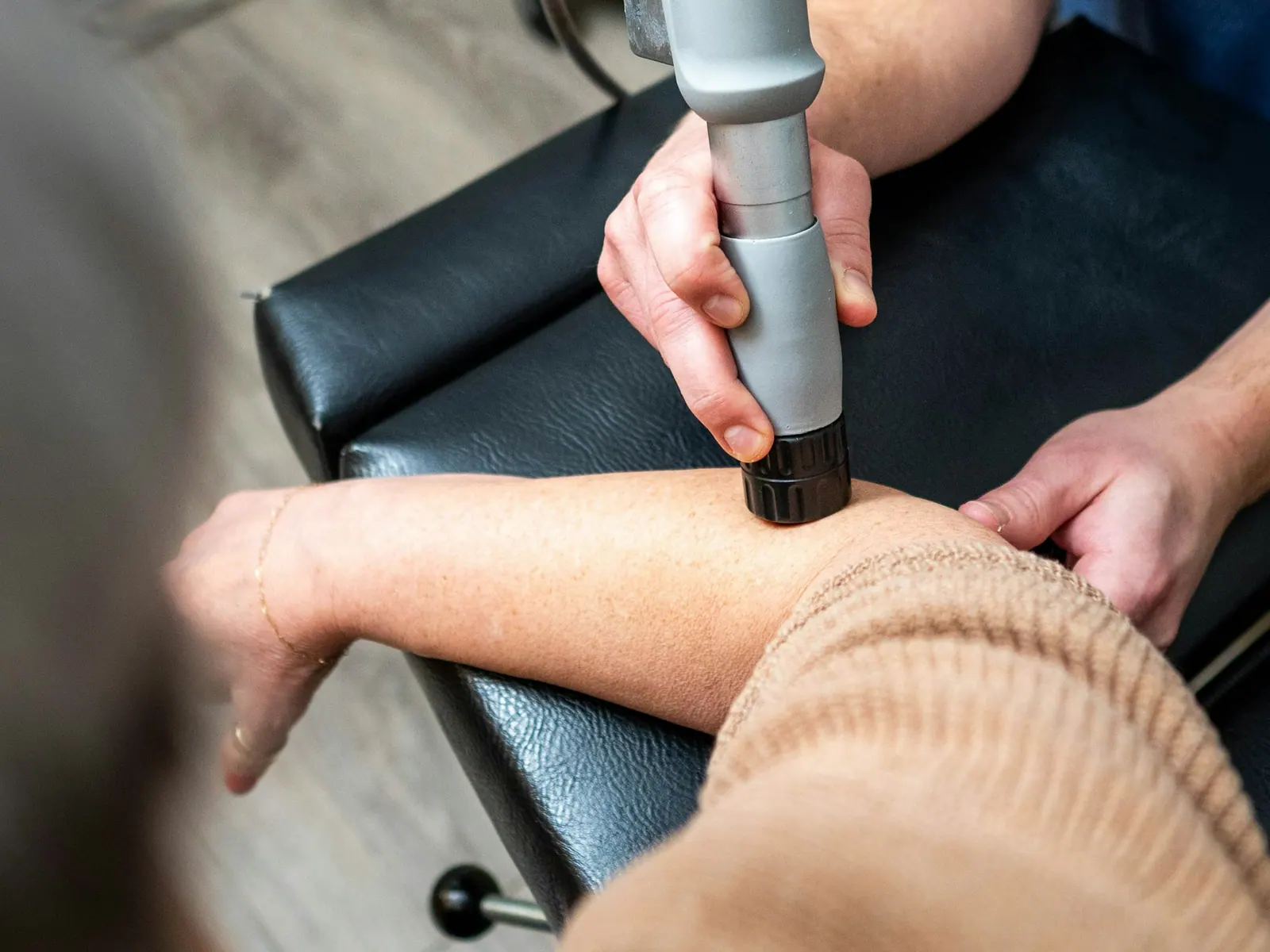
Clinical rehabilitation treatment applied to a patient’s arm

Evaluate the claim

Connect the investigation to a claim decision

An injury can interrupt wages before its full financial effect is clear. We document medical expenses, missed work, and medically supported limits on job duties, then compare those losses with the facts supporting responsibility and available insurance. If an offer overlooks a documented inability to return to certain tasks, we address that gap before recommending a response. Our evaluation helps you understand the tradeoffs in settlement discussions and whether further claim work is needed.

InvestigatingYour Claim

The strongest claim theory depends on specific connections between site conduct, responsibility, coverage, and injury-related loss.

Warehouse interior with open floor and overhead equipment

Whether the danger developed during the work

A hole left uncovered between shifts presents a different investigative problem from equipment striking someone during an active lift. We examine inspection records, safety plans, photographs, and accounts of when the condition appeared. For a continuing hazard, knowledge and inspection practices may matter; for an active operation, instructions and coordination may be central. Identifying that difference helps us select a claim theory that fits the event rather than relying on a general allegation of unsafe conditions.

Entrance and exterior steps of a multi-unit building

Who directed the task and supplied the equipment

Ownership of equipment does not necessarily establish who selected it, maintained it, or directed its use. If a scaffold moved or a lifting device failed, we examine the equipment provider’s role alongside the contractor’s setup and operating practices. Contracts, training files, inspection records, and witness accounts can distinguish an equipment problem from an unsafe method of work. That distinction helps determine which participants should receive further investigation and which allegations the evidence supports.

Case records and a pen arranged on a desk for review

How coverage relates to each participant

Multiple companies on a project may have different insurance arrangements, and an insurer may dispute whether its policy applies to the event. We identify potentially responsible participants, investigate employer coverage, and examine the coverage positions presented. A dispute about insurance is separate from the question of who caused the injury. Keeping those issues distinct helps us pursue the relevant parties without mistaking an initial coverage denial for a complete answer about the claim.

Clinical rehabilitation treatment applied to a patient’s arm

Whether the offer accounts for supported losses

A payment proposal may address current bills while leaving documented income disruption unresolved. We examine medical records, earnings history, and evidence connecting restrictions to your construction duties. When future losses are asserted, we assess the supporting documentation rather than treating them as certain. Comparing the offer with both the loss evidence and disputed responsibility helps us explain whether further negotiation, additional investigation, or another claim step deserves consideration.

Texas injury law is fact-specific, and a federal rule or another state's law may also apply. This page provides general information, not legal advice or a conclusion about any claim.

Terms You May Hear

Texas Construction Site Injuries Terms

These terms help explain the decisions we examine in a construction-site injury claim.

Warehouse interior with open floor and overhead equipment

Work sequencing is the order and coordination of construction tasks. If crews performed incompatible activities together, we examine scheduling and instructions to determine whether that overlap contributed to the injury.

Control over the work

Control means authority over the condition or task connected to the injury. We compare project agreements with actual site conduct because a company’s label alone may not explain who could prevent the hazard.

Third-party claim

A third-party claim concerns a potentially responsible participant other than your employer. We investigate that participant’s actions and duties separately because its role may support a different route for pursuing losses.

Workers’ compensation coverage

Workers’ compensation coverage is an employer-related coverage question we verify through available records. We do not assume every employer participates, and the answer can affect how we evaluate possible claims.

Evidence preservation

Evidence preservation means taking timely steps to protect relevant material before conditions change. On a construction project, photographs, equipment information, and witness accounts may be important because work can quickly alter the scene.

Documented losses

Documented losses are injury-related effects supported by medical, earnings, and other relevant evidence. We use them to evaluate a demand and identify whether an offer leaves supported expenses or income losses unaddressed.

How WePursue Your Claim

Our work moves from identifying the injury mechanism to evaluating the available claim paths and pursuing a supported demand.

Discuss Your Situation
  1. Review the event and timing

    We begin with the task underway, the injury mechanism, and the companies involved. We review timing and potential deadlines early so the investigation focuses on viable claim paths and evidence that may disappear as construction continues.

  2. Preserve the changing scene

    If the site is being repaired or reconfigured, we identify relevant photographs, incident reports, and witnesses promptly. Preservation efforts focus on the condition or operation linked to the injury, helping prevent later decisions from depending solely on conflicting recollections.

  3. Map responsibility among participants

    We compare contracts, safety plans, and actual instructions to identify who controlled the relevant work. Where written roles differ from site practices, we investigate that difference before deciding which owners, contractors, or other participants to pursue.

  4. Investigate insurance and claim paths

    We examine employer coverage and insurance associated with other potentially responsible parties. That review helps distinguish available claim paths and coverage disputes, rather than directing every construction injury through the same process.

  5. Develop the evidence of loss

    We connect medical documentation and income evidence to the injury and your work duties. If the claimed losses exceed what the current records explain, we identify the evidentiary gap before presenting a demand or evaluating payment.

  6. Evaluate offers and pursue the claim

    We assess settlement proposals against supported responsibility and losses, explain unresolved issues, and pursue negotiations or other suitable claim action. The next step depends on the evidence and disputes, not simply on whether an insurer has offered money.

One injury can raise more than one legal question.

A site injury may also involve unsafe property, defective equipment, or a vehicle incident. We examine those related issues when the facts support them, rather than assuming every event follows one claim path.

Explore Practice Areas

WhyInjury Attorney Near Me

Injury Attorney Near Me, PLLC is based in Houston and serves injured clients throughout Texas. We offer consultations to examine construction-site responsibility, coverage, and losses. Representation is subject to an agreement; our work then focuses on investigating and pursuing the claim.

Focused On

Construction Site Injuries

Injury Attorney Near Me, PLLC is based in Houston and serves injury clients throughout Texas.

A focused investigation of site responsibility

When several crews worked near the injury location, we connect witness accounts and project records to the activity underway. That work helps distinguish who controlled the hazard from who was merely present, giving the claim a clearer factual foundation.

Losses tied to the work you actually performed

Construction work may involve lifting, climbing, driving, or supervising crews. We connect medically documented restrictions with your actual duties and earnings history so an offer can be evaluated against supported losses rather than assumptions about your job.

Construction SiteInjuriesQuestions

Here are practical questions that can arise after a construction-site injury.

Contact the Firm
Can we discuss a claim if I was paid as an independent contractor?

Yes. A payment label does not answer every responsibility or coverage question. We examine who directed your work, the agreements involved, and the circumstances of the injury to assess possible claim paths. Bring the issue to the consultation even if your work status is disputed.

What if I was delivering materials or visiting the site rather than working for a contractor?

We examine why you were on the property, where you were permitted to go, and what site participants knew about the activity around you. Those facts help us evaluate duties concerning access, warnings, and ongoing work without treating you as an employee of the project.

Does an OSHA inspection decide whether I have an injury claim?

An inspection may contain useful findings about conditions or practices, but it does not resolve every civil claim question. We compare relevant findings with the incident evidence, participant roles, and documented harm. A claim evaluation need not rest entirely on whether an inspection occurred.

What if a company says I caused the incident?

We investigate the specific conduct being alleged, along with instructions, training, equipment condition, and the work environment. A disputed account needs testing against the evidence. That review helps us assess how competing explanations may affect responsibility, negotiations, and the decision to pursue the claim.

Should I discuss a proposed release with you before signing?

A release may affect claims against named parties and sometimes reach beyond the payment being discussed. We review the proposal, the losses it addresses, and the rights it would resolve so you can understand its scope before deciding whether to accept the offer.

Can you help if the construction injury happened far from where I live?

We serve clients throughout Texas from our Houston base. We examine the incident location, involved parties, and available evidence rather than assuming your home county determines where a claim belongs. Call (833) 700-6660 to request a consultation about your circumstances.